Recycling at Home: 10 Easy Ways to Waste Less
Recycling doesn’t have to be complicated. With a few small changes around the house, you can make better use of everyday materials, reduce waste and help valuable resources stay in circulation. The secret? Make sustainable habits easy enough to stick to.
You don’t need a perfectly organised kitchen or a house full of colour-coded bins to get started. A little planning, a bit of creativity and knowing what goes where can make a real difference.
1. Make recycling easy at home
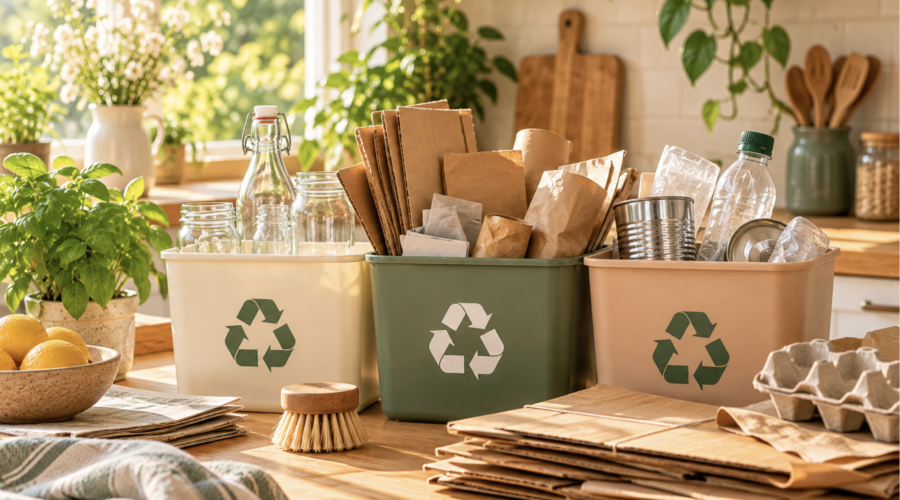
Choose a convenient spot in your kitchen, utility room or cupboard for collecting recyclable materials. Use clearly labelled containers for the materials accepted by your local collection service. If recycling is easy to reach, everyone in the household is more likely to take part.
Fun fact: Aluminium can be recycled repeatedly without losing its essential material properties, making it particularly valuable to recover and reuse.
2. Know your local recycling rules
Not every council or collection service accepts exactly the same items. Before putting something in the recycling bin, check your local guidance. A quick check can prevent contamination and help recyclable materials reach the right facility.
Packaging symbols can offer clues about what an item is made from, but they don’t always mean it can go into your household recycling bin. When in doubt, check with your local service.
Try this: Make a small reference list of the materials your household can recycle. Keep it near your recycling station so everyone knows what belongs where.
3. Keep packaging clean, dry and tidy
Empty containers and follow your local instructions on rinsing. Flatten cardboard to save space, and keep paper and cardboard dry. You don’t need to make every container spotless, but excessive food residue can cause problems for some recycling processes.
Before recycling a jar, sturdy box or container, consider whether you can use it again. Clean jars can store pantry ingredients, homemade gifts, small craft supplies or all those little odds and ends that otherwise end up in a drawer.
Fun fact: Reuse can be even simpler than recycling: keeping a container in use means you postpone the need to process it into a new material.
4. Give everyday items a second life
Recycling is important, but it isn’t the only way to reduce waste. Many items can be repaired, repurposed, shared or passed on before they need to be recycled.
Turn a sturdy glass jar into a storage container or small vase.
Use cardboard boxes for organising cupboards or packing parcels.
Repair a loose button, mend a small tear or fix a wobbly chair where practical.
Pass on books, toys, clothes and household goods that are still in good condition.
Borrow or rent something you only need occasionally instead of buying it new.
A useful rule: Before throwing something away, ask yourself three questions: Can I use it again? Can somebody else use it? Can it be repaired?
5. Don’t forget batteries and electronics
Batteries, cables, phones and small electrical appliances should not automatically go into household rubbish or mixed recycling. They may contain materials that can be recovered, as well as components that require special handling.
Find an appropriate collection point for batteries and unwanted electrical equipment. In Ireland, check local authority guidance or the relevant approved collection scheme for options near you.
If an electrical item still works, consider whether it could be sold, donated or passed on. If it is broken, check whether repair is possible before replacing it.
Your five-minute recycling reset
Ready for a quick win? Set aside five minutes to make recycling and reusing easier at home.
☐ Set up a convenient recycling station.
☐ Check your local recycling rules.
☐ Flatten cardboard and keep paper dry.
☐ Find a suitable collection point for batteries and old electronics.
☐ Choose one disposable item to replace with a reusable alternative when your current supply runs out.
You don’t need to do everything at once. Pick one small action today and build from there. Every useful habit counts!
Small changes add up
The familiar three Rs — Reduce, Reuse, Recycle — are a useful starting point, but there are other helpful habits too: refuse unnecessary packaging, repair what you can, borrow and share, and choose durable products that serve you for longer.
You don’t need to change everything overnight. Start with one habit, make it part of your routine, and build from there. A well-organised recycling station, a repaired favourite item or a household object given a second life can all be worthwhile steps towards wasting less.
Towards Zero Together.